Can You Grow Tomatoes in San Francisco? A Neighborhood-by-Neighborhood Guide
April 4, 2026 · Ryan
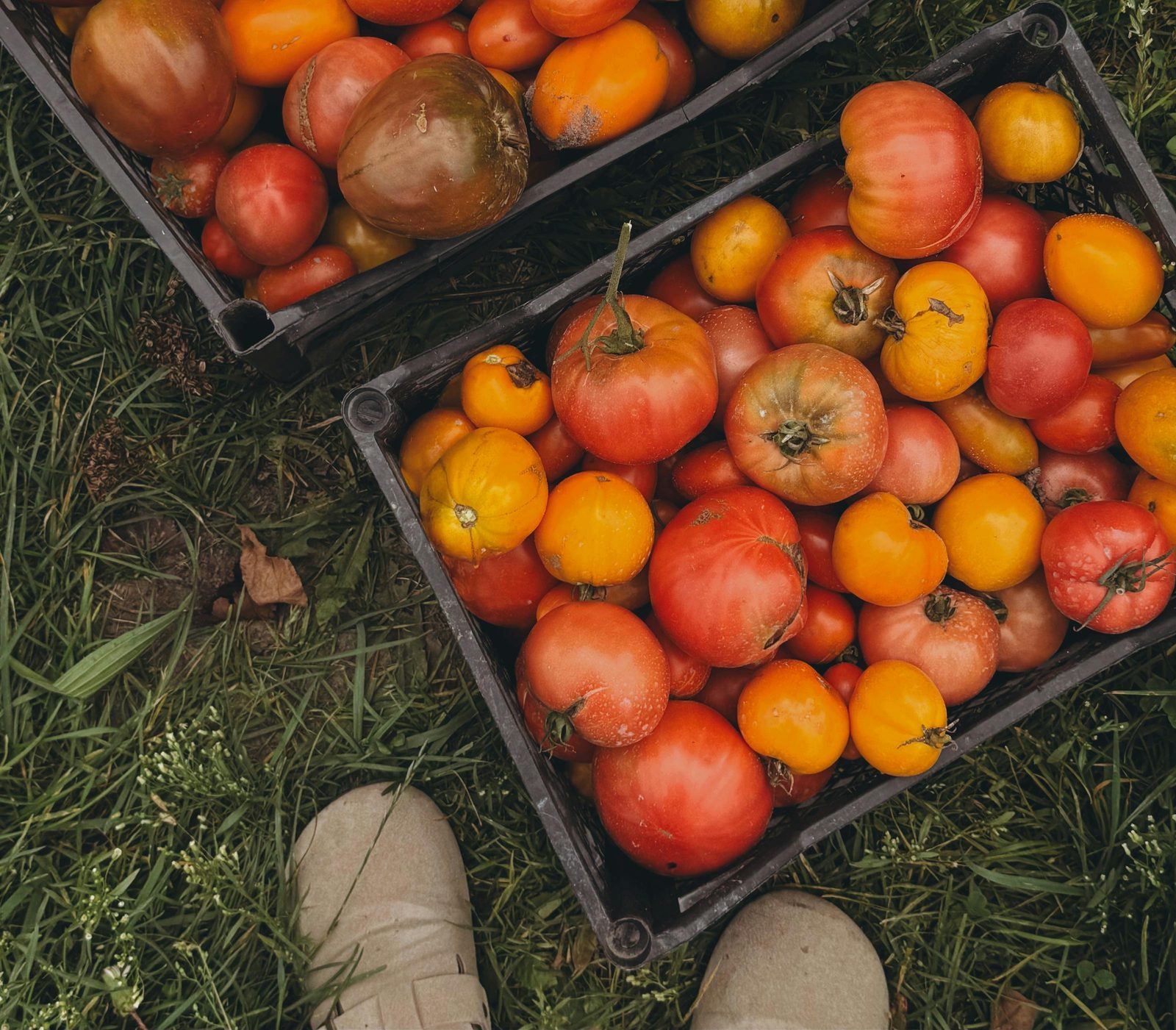
Yes, but it depends on where in San Francisco and what variety you plant.
If you've ever watched tomatoes sit green on the vine all summer in the Sunset while a friend in the Mission picks ripe ones every week, you already know the standard planting zones don't tell the whole story. San Francisco is USDA Zone 10a/10b and Sunset Zone 17, but those labels cover the entire city as if it's one climate. What actually matters is your neighborhood and your variety.
Finding the Best Tomatoes for SF, by Neighborhood
We scored tomato suitability across San Francisco neighborhoods using satellite sun data, neighborhood-level temperature models, and fog frequency maps. Each neighborhood gets two scores from 0 to 100: one for standard slicing tomatoes, one for cool-tolerant varieties.
Outer Sunset
Heavy fog, summer highs around 64°F. Standard slicers can't accumulate enough heat. Sungold and other cool-tolerant varieties produce in warm spots.
Outer Richmond
Similar to the Sunset but slightly foggier (no Twin Peaks shadow). Cool-tolerant varieties only.
The Mission
Twin Peaks blocks the marine layer, giving the Mission noticeably more sun. Cool-tolerant varieties thrive; standard varieties are possible against a south wall.
Potrero Hill
Hilltop with good sun exposure and similar growing conditions to the Mission.
The Outer Sunset and the Mission are only six miles and one hill apart, but their growing conditions couldn't be more different. During the October 2024 heat wave, it was 90°F at Dolores Park and 69°F at Ocean Beach at the same time. For tomatoes, that's the difference between a full harvest and a season of green fruit.
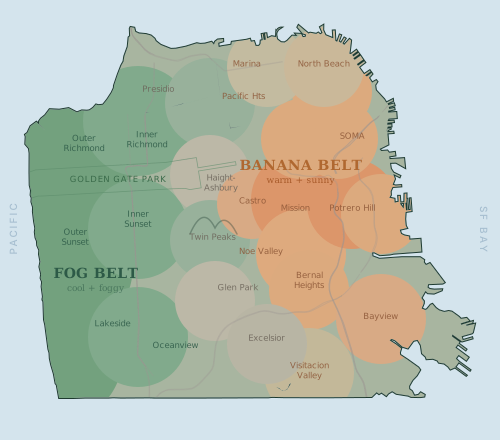
San Francisco gardeners talk about the fog belt (west of Twin Peaks, heavy marine layer) and the banana belt (east of Twin Peaks, sheltered and sunny). Most neighborhoods fall into one of three categories:
- Fog belt (cool-tolerant varieties only): Outer Sunset, Inner Sunset, Outer Richmond, Inner Richmond, Oceanview, Ingleside
- Transitional (cool-tolerant reliable, Early Girl possible with a warm spot): Cole Valley, Haight, Glen Park, Excelsior, Pacific Heights, Marina
- Banana belt (more options, including mid-season slicers): Mission, Noe Valley, Bernal Heights, Potrero Hill, Castro, Dogpatch, Bayview, Visitacion Valley, SOMA
These are rough guides. Conditions vary block by block depending on elevation, slope, and what's blocking the wind.
Why Standard Tomatoes Fail in the Fog Belt
Tomatoes accumulate heat over the growing season, and they need a lot of it. Their heat requirements are described in terms of growing degree days (GDD), and standard slicers need far more than cherries or early-maturing varieties. Fog days where the temperature barely cracks 60 degrees F contribute almost nothing.
The Outer Sunset, with summer highs averaging just 64 degrees F and frequent fog, doesn't accumulate enough heat for standard varieties. The plant will grow, flower, and set a few green fruit, but most won't ripen before fall cools down.
The Mission sits in Twin Peaks' fog shadow and gets about 12% more solar energy in summer. That's the difference between a tomato that stays green and one that ripens. Still not enough for large heirlooms, but enough that an Early Girl against a south-facing wall can produce.
Cool-Tolerant Picks for the Fog Belt
These varieties are bred for cool climates and need less accumulated heat. All three are recommended by Bay Area UC Master Gardener programs and Pam Peirce's Golden Gate Gardening. They also work great in the banana belt.
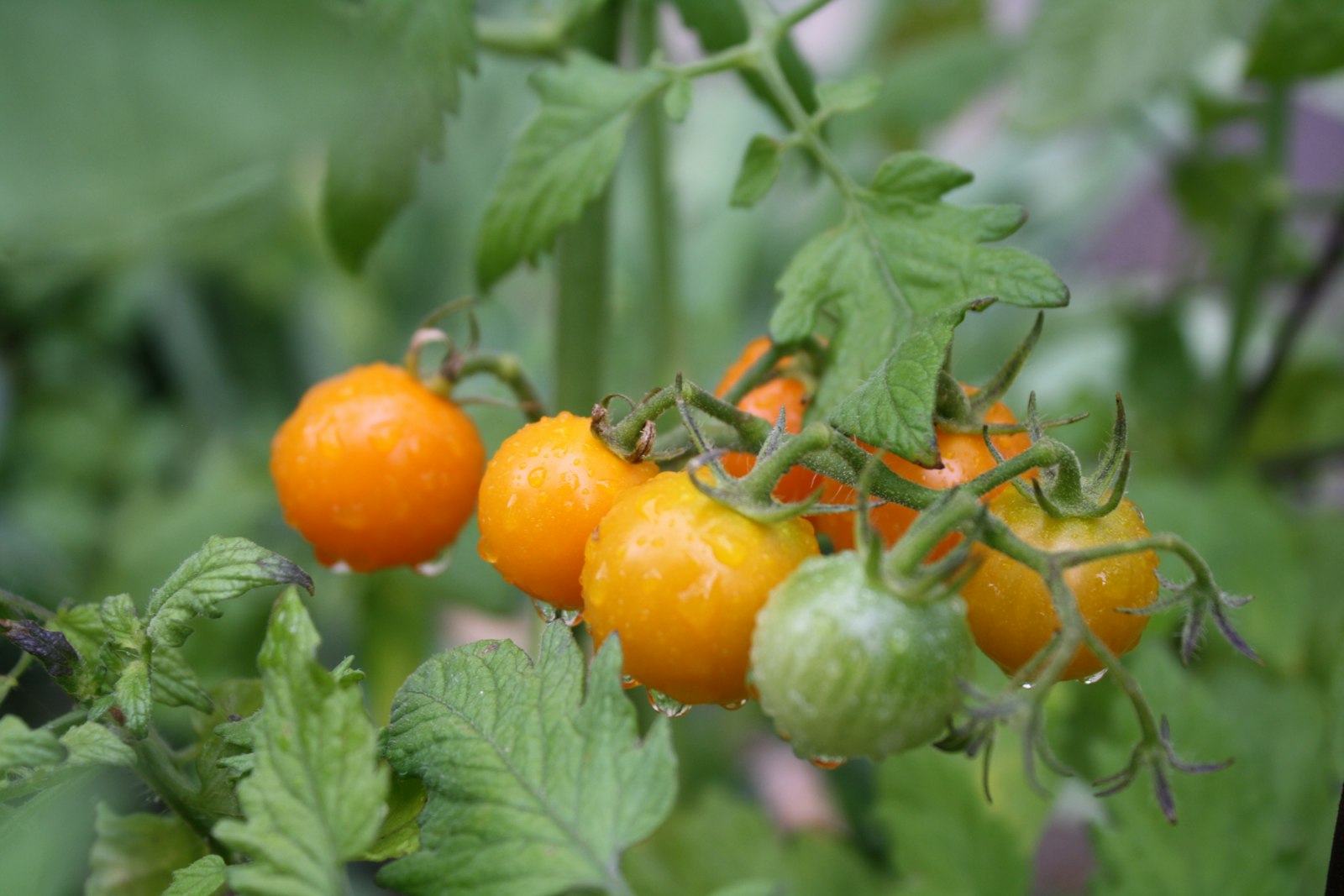
Sungold
Cherry, 57-67 days, ~1,200-1,400 GDD. F1 hybrid, indeterminate.
A Master Gardener favorite for foggy SF. Very sweet, tropical flavor. Low heat requirement and small fruit size mean it keeps producing all season into the warm September-October window. If you're like me, you'll eat half of the ones you pick before you return inside. Prone to splitting (and you can't save seed from this hybrid), but nothing else is this reliable in the fog belt.
Stupice
Small slicer, 52-55 days, ~800-900 GDD. Open-pollinated heirloom, indeterminate (compact, 3-4 ft).
Czech heirloom from the 1940s, bred with a wild tomato relative that contributes cold-tolerance genes. The fastest real slicer you can grow, producing 2-4 oz fruit with a balanced sweet-acid flavor. Sets fruit at temperatures that cause blossom drop in standard varieties. Open-pollinated, so you can save seed. Look for the Adaptive Seeds strain, selected in the Pacific Northwest.
Bush Early Girl
Slicer, 54-63 days, ~1,200-1,300 GDD. F1 hybrid, determinate (compact bush, 18-36 inches).
The compact version of SF's most popular tomato. Produces 5-7 oz slicers on a self-supporting bush that works well in containers. Strong disease resistance (VFFNTA, including Alternaria, which matters in damp coastal conditions). Determinate, so you get one main harvest flush rather than continuous picking.
Getting value from this guide? We're building a Bay Area gardening app that matches crops and their varieties to your specific neighborhood and microclimate. Sign up to get notified when we launch.
More Options for the Banana Belt
If you're in the Mission, Noe Valley, Potrero Hill, or another sunny neighborhood, the fog belt picks above will do well for you too. But you also have enough heat to ripen these larger, slower varieties.
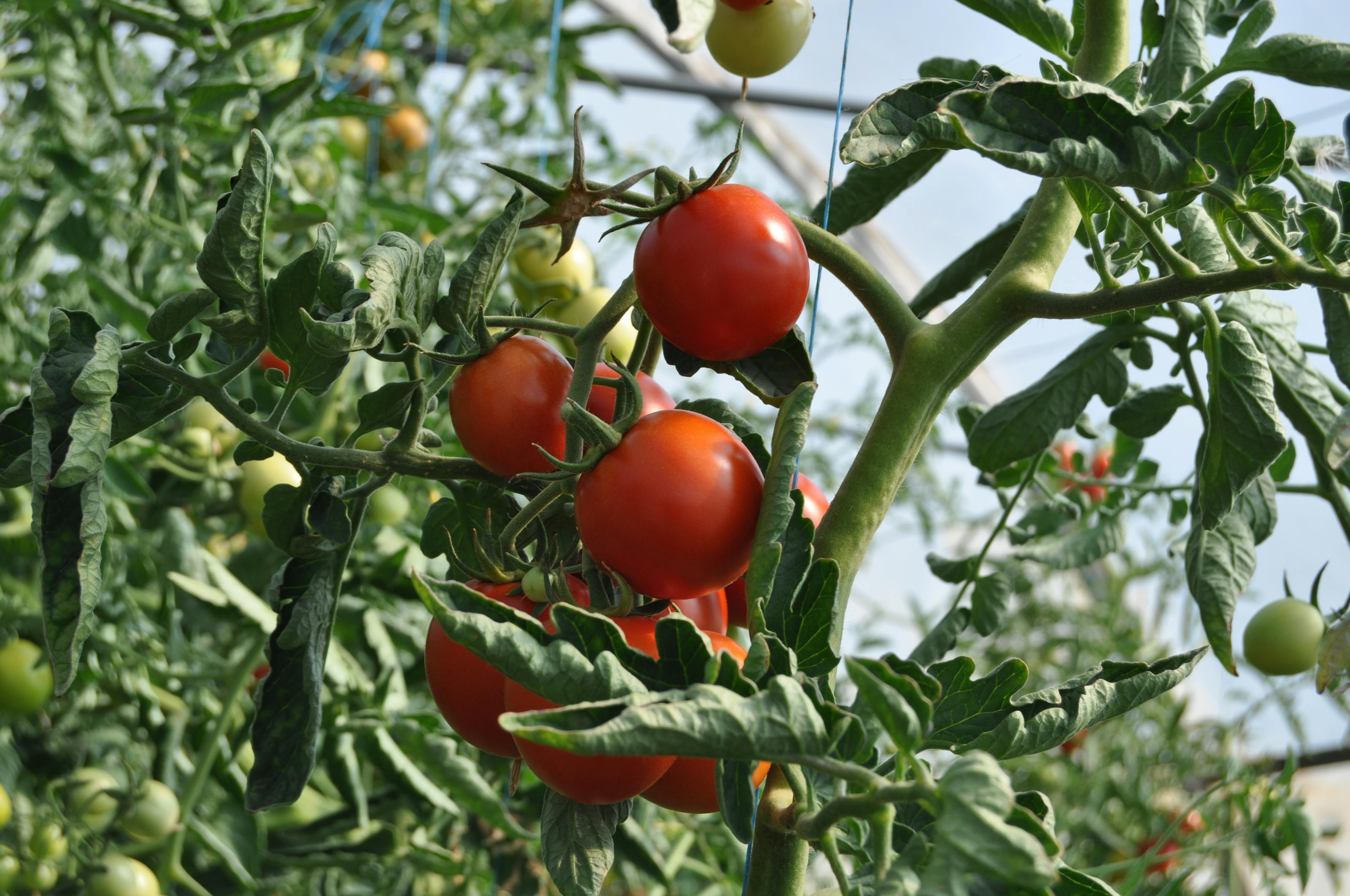
Early Girl
Slicer, 52-60 days, ~1,400-1,600 GDD. F1 hybrid, indeterminate.
The most commonly grown slicer in SF. Fast enough to produce in the banana belt's warmer microclimate, but not cold-hardy enough for the fog belt. Recommended by UC Master Gardeners and Pam Peirce.
If you've bought tomatoes at the Ferry Building farmers' market, you've probably tasted a dry-farmed Early Girl. Dirty Girl Produce in Santa Cruz has been growing them this way for over 20 years, supplying Chez Panisse and restaurants across SF. Dry farming means cutting off irrigation once the fruit sets, forcing roots deeper and concentrating the flavor. You can try this in a banana belt garden with decent soil depth.
Carmello (Crimson Carmello)
Slicer, 70-75 days, ~1,500-1,700 GDD. F1 hybrid, indeterminate.
French-bred for fresh eating, widely considered one of the best-flavored slicers you can grow. Balanced sweet-acid profile, 6-12 oz fruit. Sold by Renee's Garden in Felton, CA as "Crimson Carmello." Too slow for the fog belt. Expect ripe fruit in September or October, not the July the packet suggests.
San Francisco Sunrise
Beefsteak, 85-105 days. Open-pollinated, indeterminate.
A new variety with a local backstory: developed by Bruce Goren, a UC Master Gardener in San Francisco, who spotted a mutation on one of his Orange Jazz tomatoes around 2014 and spent a decade stabilizing it. The result is a beefsteak (5-18 oz) with red stripes over orange skin and a sweet, fruity, low-acid flavor. Specifically selected in SF's climate over 10 years. Tolerates part shade. Open-pollinated, so you can save and share seed. Still very new with limited independent grow reports, and seeds are only available from Kids Seed Co. and Spring Garden Market.
Growing Tips by Microclimate
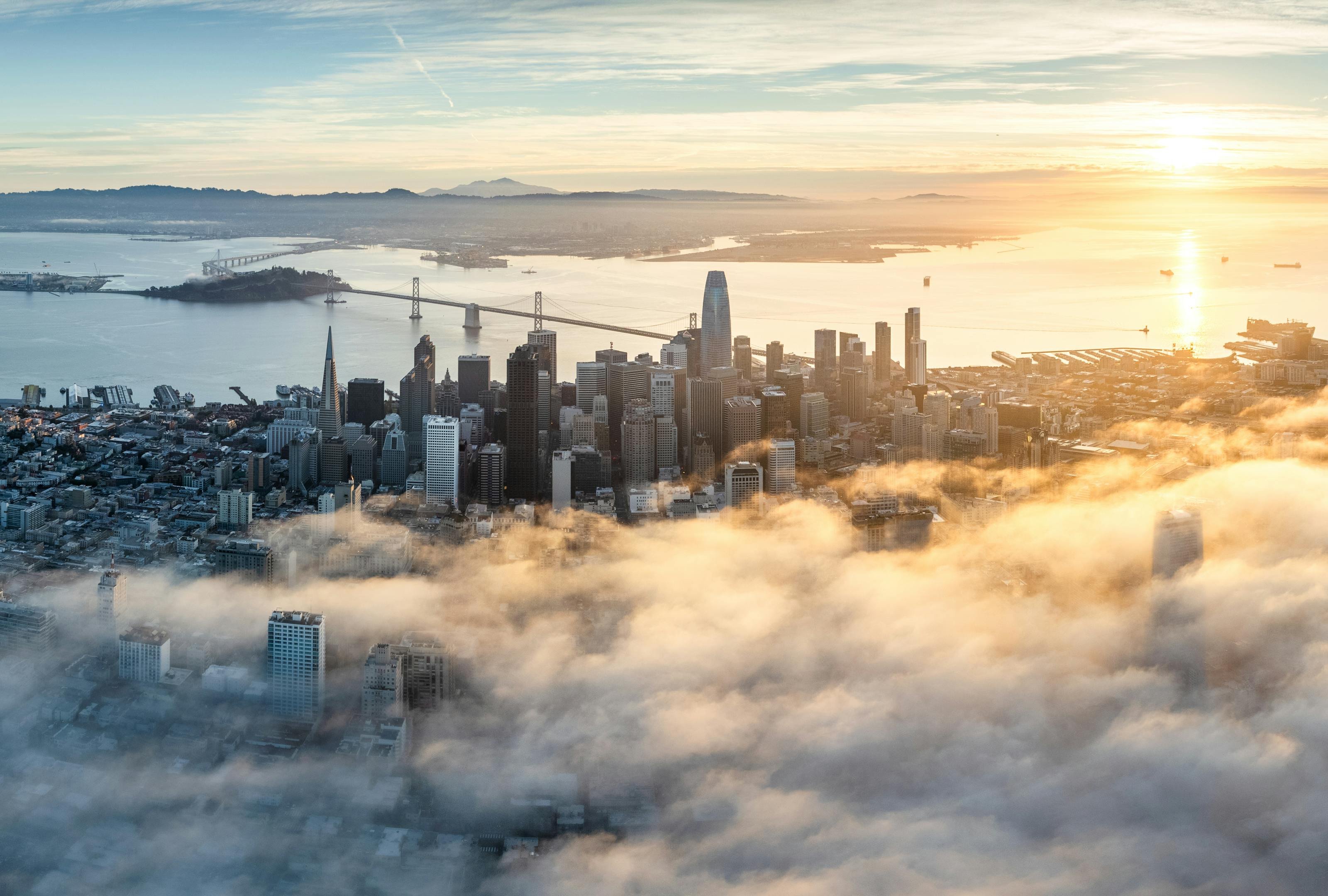
Fog belt (Outer Sunset, Inner Sunset, Outer Richmond, Inner Richmond, Oceanview, Ingleside):
- Choose cool-tolerant varieties only. Standard slicers are unlikely to ripen.
- South-facing wall or fence is essential. Reflected heat makes the difference.
- Use plastic sheeting or landscape fabric to warm the soil. Every degree helps in the fog belt.
- Start indoors in late March, transplant mid-May once night temps are reliably above 50 degrees F.
- Expect fruit August-September, not July. The best harvest is often September-October when fog lifts.
- Consider a cold frame or mini greenhouse for earliest starts.
Banana belt (Mission, Noe Valley, Bernal Heights, Potrero Hill, Castro, Dogpatch, Bayview, Visitacion Valley, SOMA):
- Any of the fog belt picks will do well here, plus the varieties in the banana belt section above.
- Larger slicers (Better Boy, Celebrity) are hit-or-miss but possible with a warm spot.
- Fewer accommodations needed. Thank Twin Peaks for blocking Karl the Fog.
- Start indoors in late March, transplant in May. Even the banana belt is too cold for tomatoes in April (avg night temps around 48 degrees F).
Transitional neighborhoods (Cole Valley, Haight, Glen Park, Excelsior, Pacific Heights, Marina): Lean toward the fog belt tips, but try an Early Girl or Bush Early Girl in your sunniest spot.
Varieties that are difficult to grow in SF: Brandywine, Beefsteak, Cherokee Purple, and other large-fruited heirlooms. These need sustained heat that no SF neighborhood provides reliably. They're Walnut Creek and Livermore crops.
Your Garden Is Not Your Neighborhood
These scores assume your tomatoes have mostly unobstructed exposure to sunlight, and in San Francisco, that's a big assumption. How much sun your specific garden gets matters just as much as your neighborhood.
A south-facing backyard in the Mission with no tall neighbors might get 8 hours of direct sun, perfect for Sungold. The same block's north-facing yard behind a three-story building might get 3 hours. That's the difference between a productive tomato plant and a plant that never really produces.
Before you plant: watch your garden on a sunny day and count the hours of direct sunlight your planting area actually receives. Tomatoes need at least 6 hours, even the cool-tolerant ones. If you're getting less than that, consider leafy greens like lettuce and kale and save your tomato ambitions for a sunnier spot or a community garden plot. But if you do have the sun, you're in good shape.
The Bottom Line
Can you grow tomatoes in San Francisco? Absolutely. Pick the right varieties for your neighborhood and you'll soon have more tomatoes than you can eat. And that's just tomatoes.
We're building a Bay Area gardening app that does this for every crop, tuned to your neighborhood. Sign up to get notified when we launch.
Further Reading
- Golden Gate Gardening by Pam Peirce - the definitive book on growing food in San Francisco and the Bay Area coastal fog belt.
- UC Master Gardeners of San Mateo & San Francisco Counties - free advice clinics, planting guides, and variety recommendations for fog belt gardeners.
- Growing Container Tomatoes in San Francisco (UC Master Gardeners) - variety picks and planting tips specific to SF's microclimates.
- Tomatoes for Our Coastal Climate (UC Master Gardeners) - why cool-tolerant varieties outperform standard slicers on the coast.
- 2026 Spring Garden Market Tomato List (UC Master Gardeners) - every tomato variety sold at the SF/San Mateo Master Gardener spring sale, with days to maturity, fog zone suitability, and linked descriptions for each variety.
- Vegetable Degree-Day Models (Oregon State Extension) - explains the GDD concept and how accumulated heat drives tomato ripening.